Media Center - News
Organizing a round table on “The Role of Civil Society Organizations in Responding to Crises and Community Risks”




News Details
Jun 22, 2026
Organizing a round table
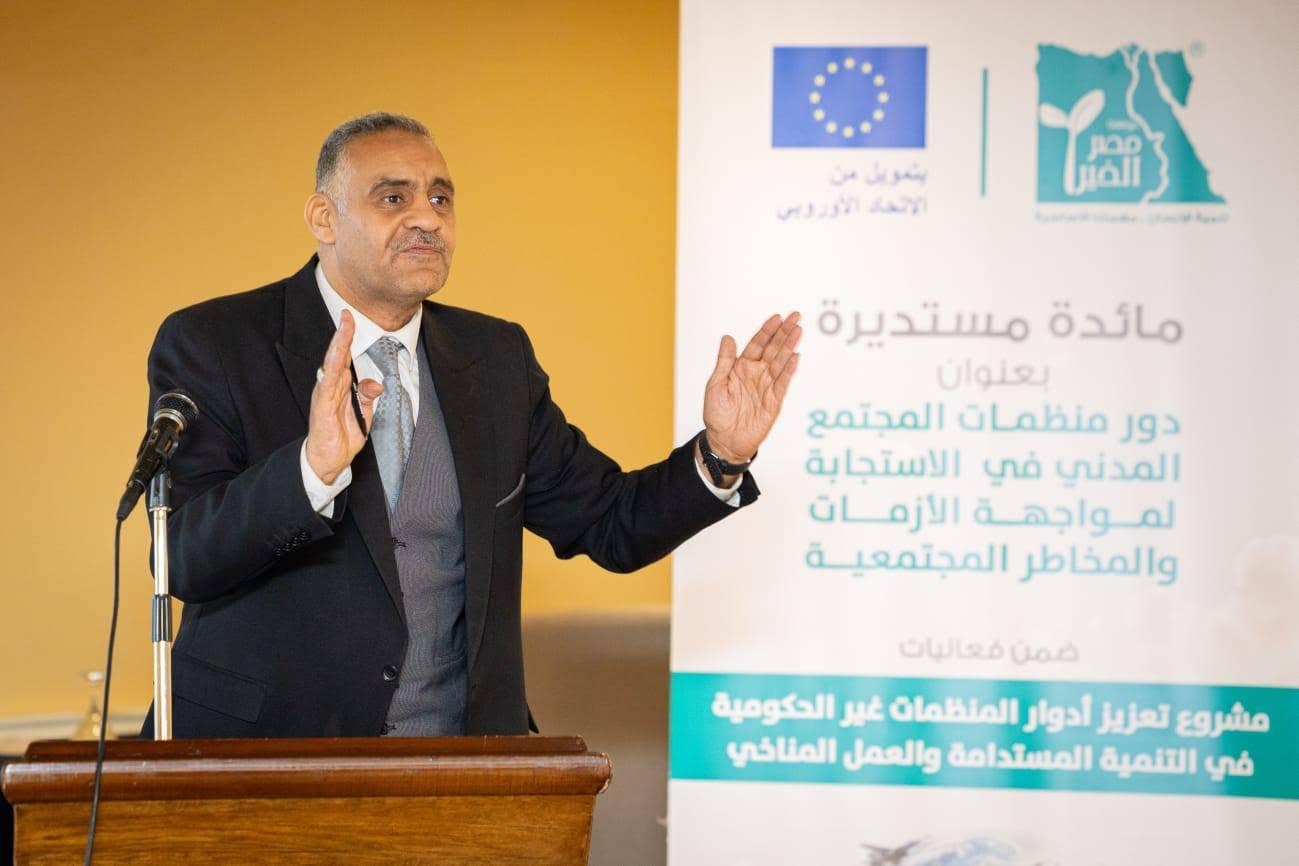
"The role of civil society organizations in responding to crises and societal risks"
Within project activities
"Strengthening the roles of non-governmental organizations in sustainable development and climate action"
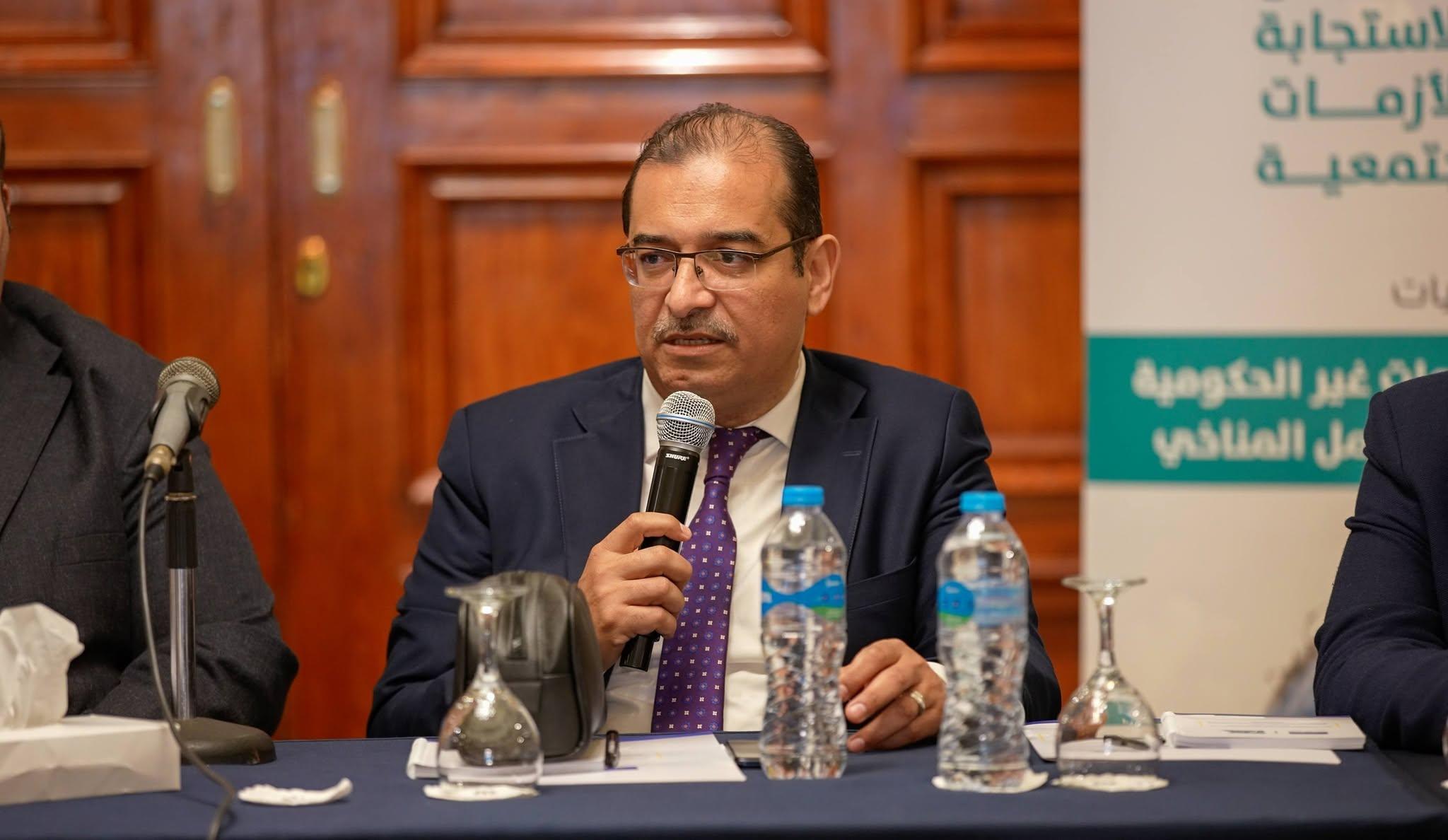
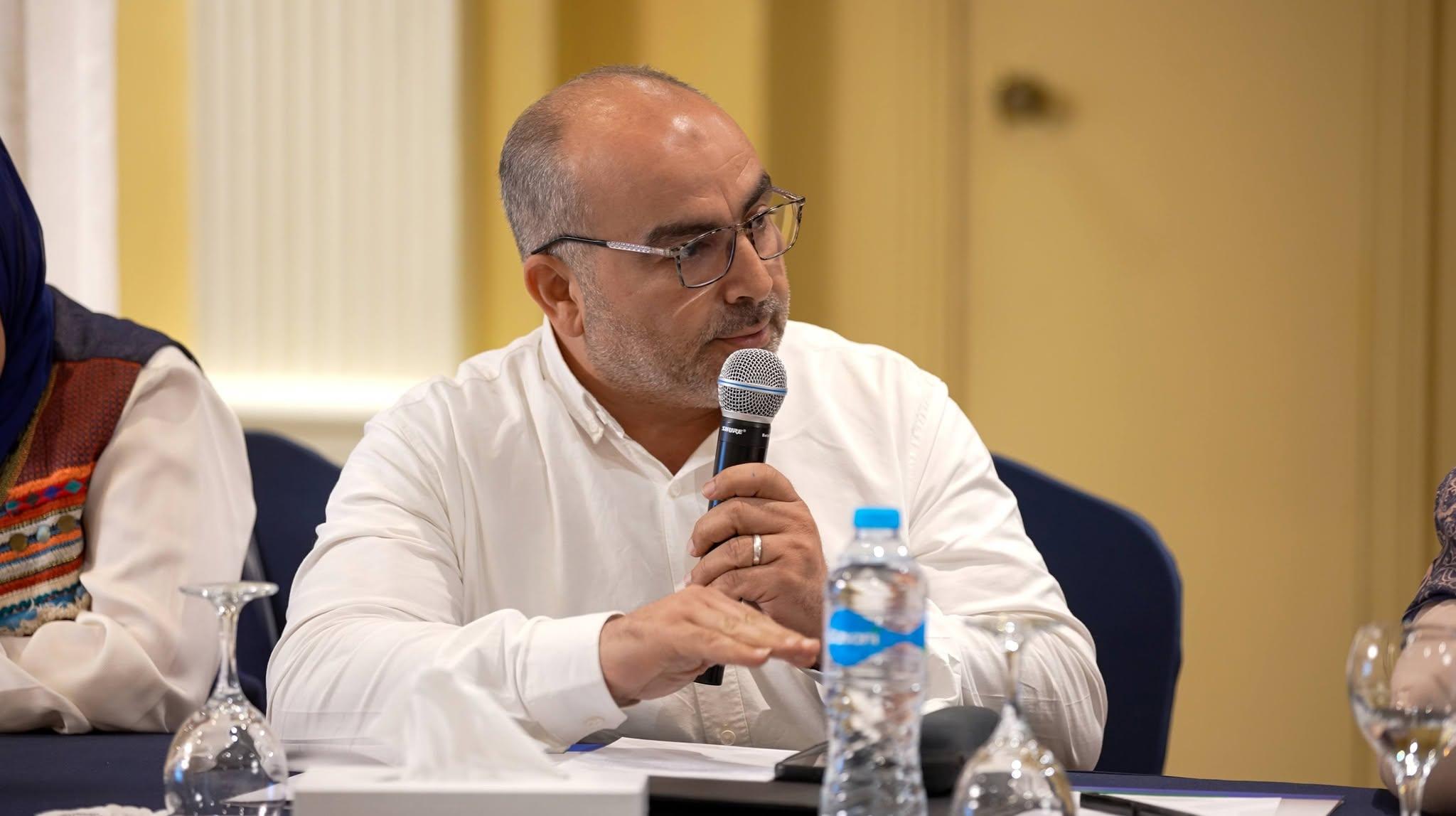
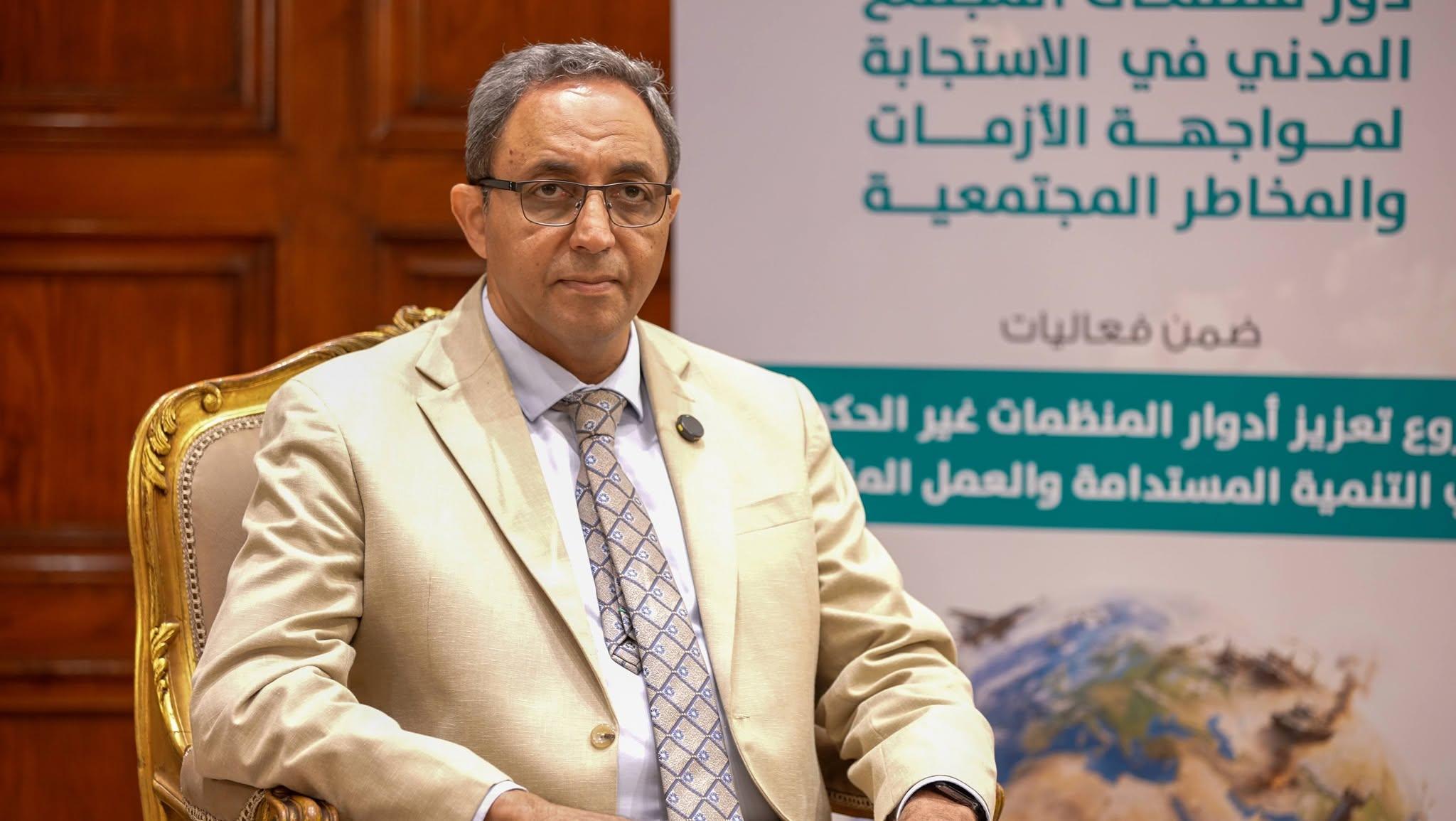
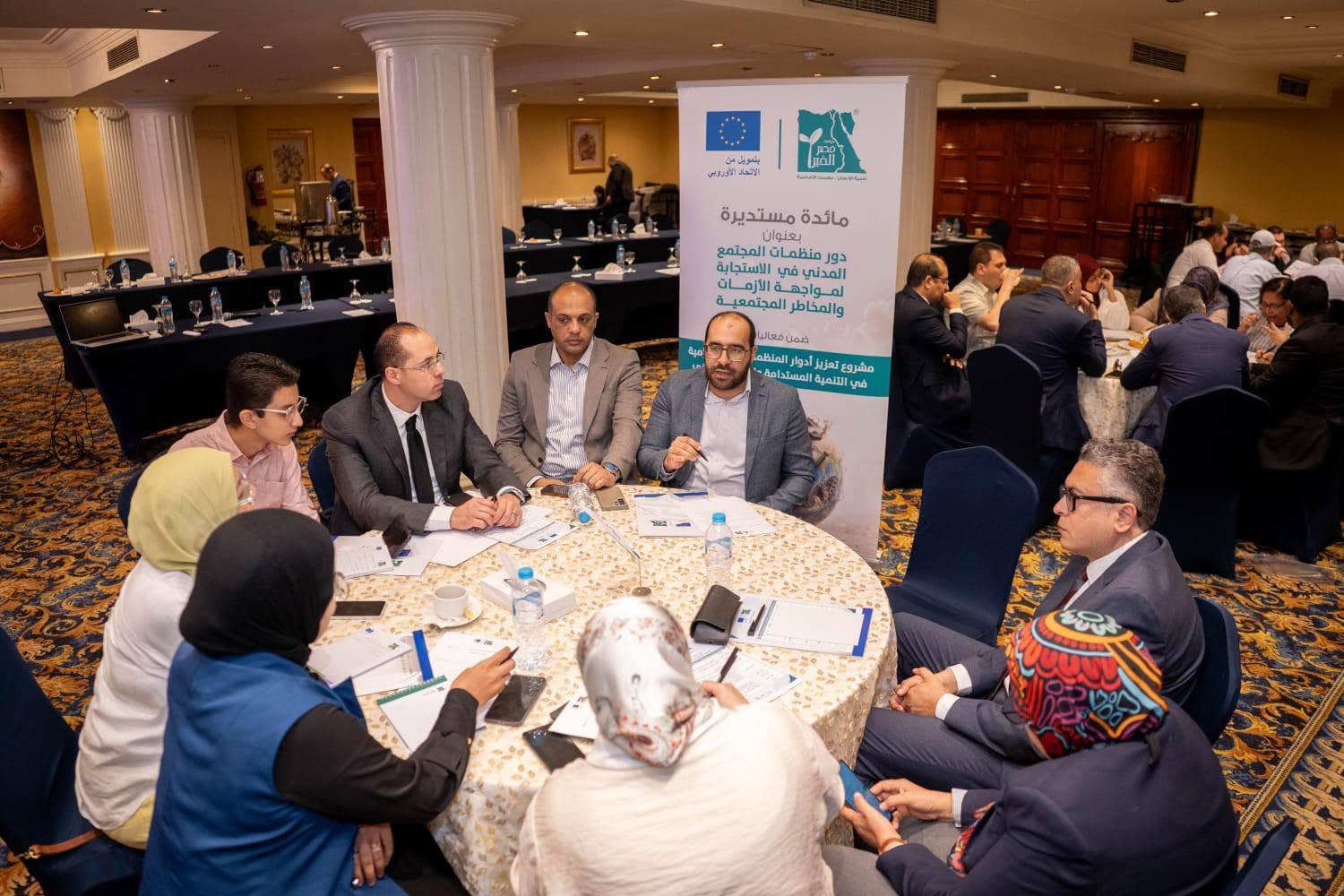
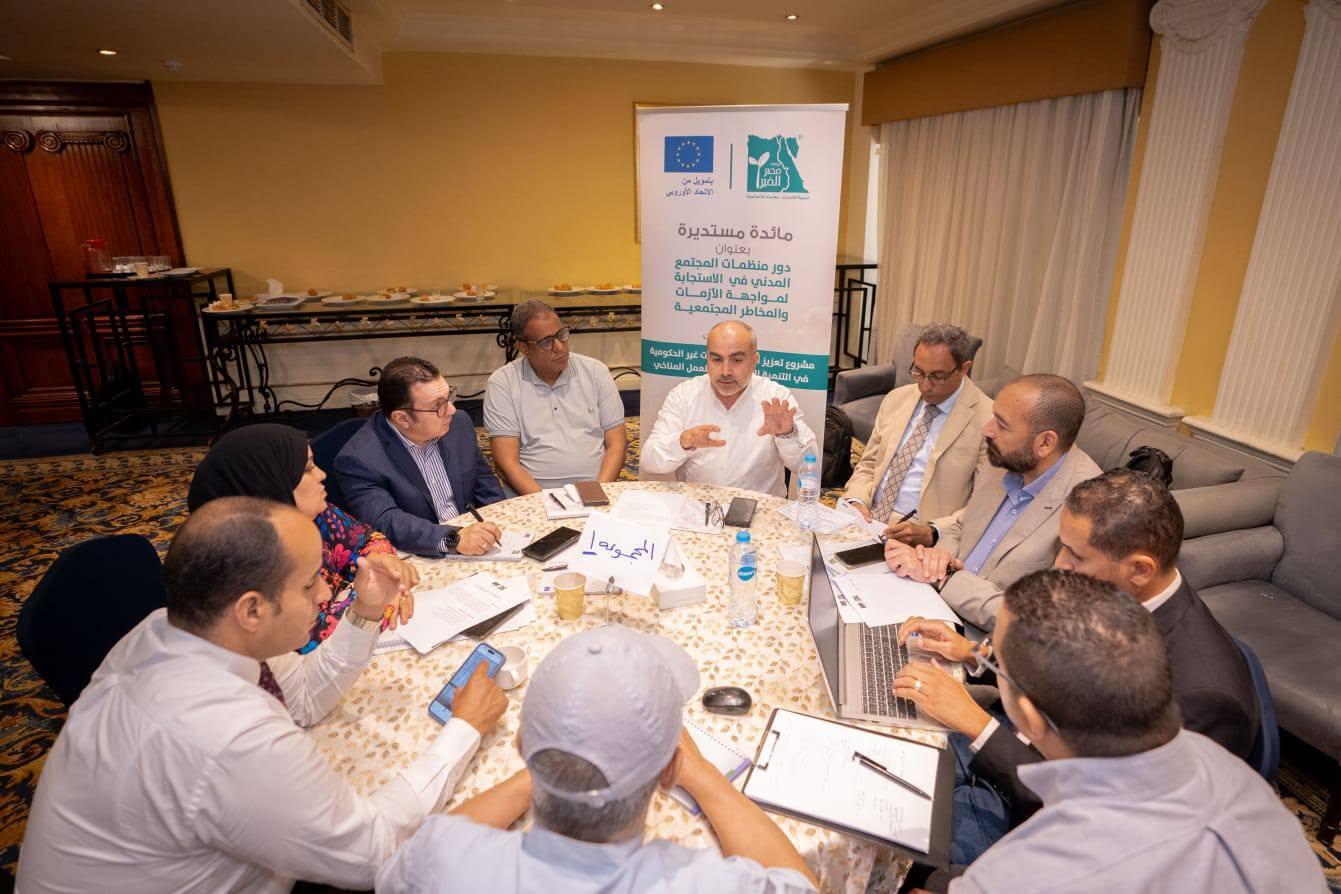
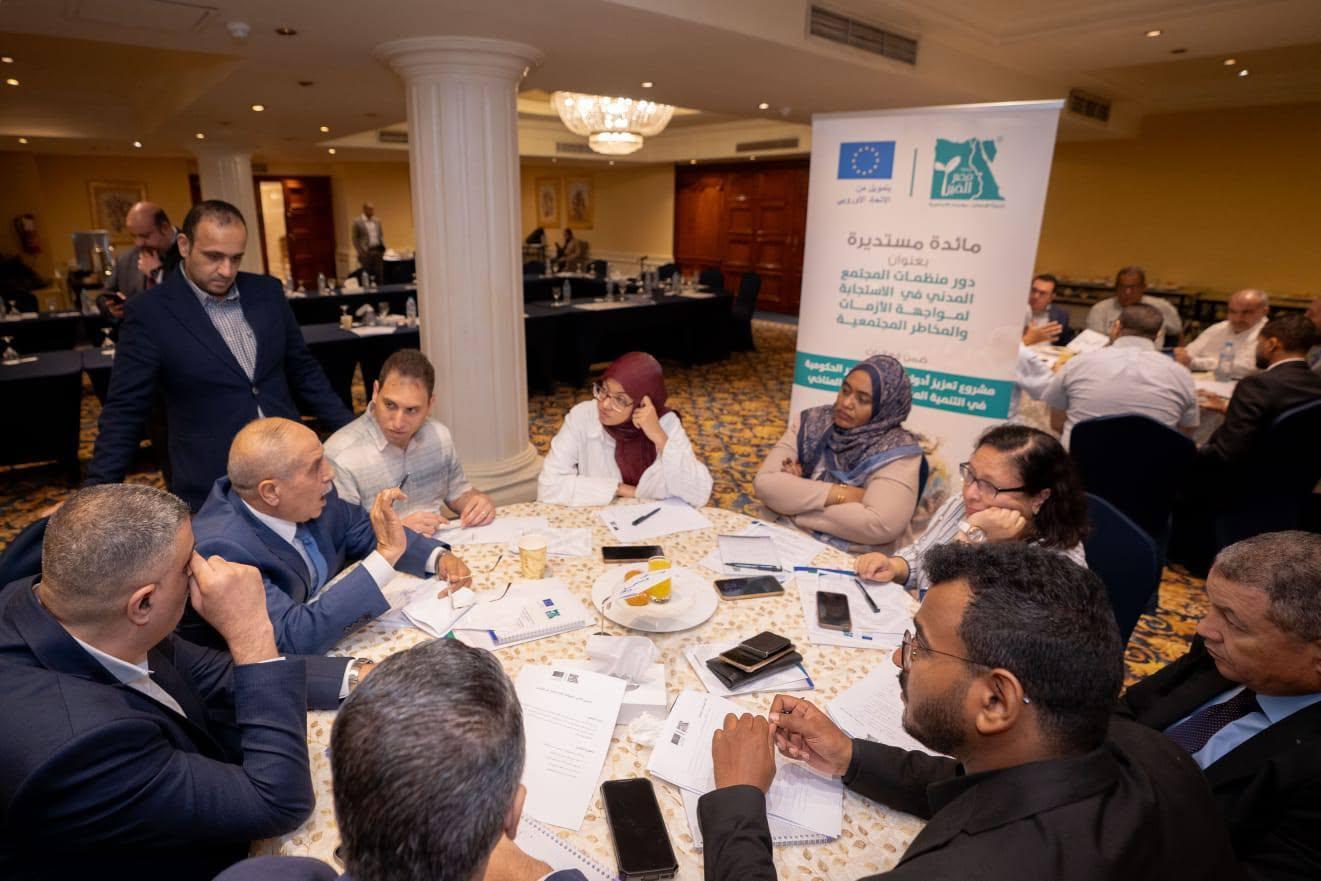
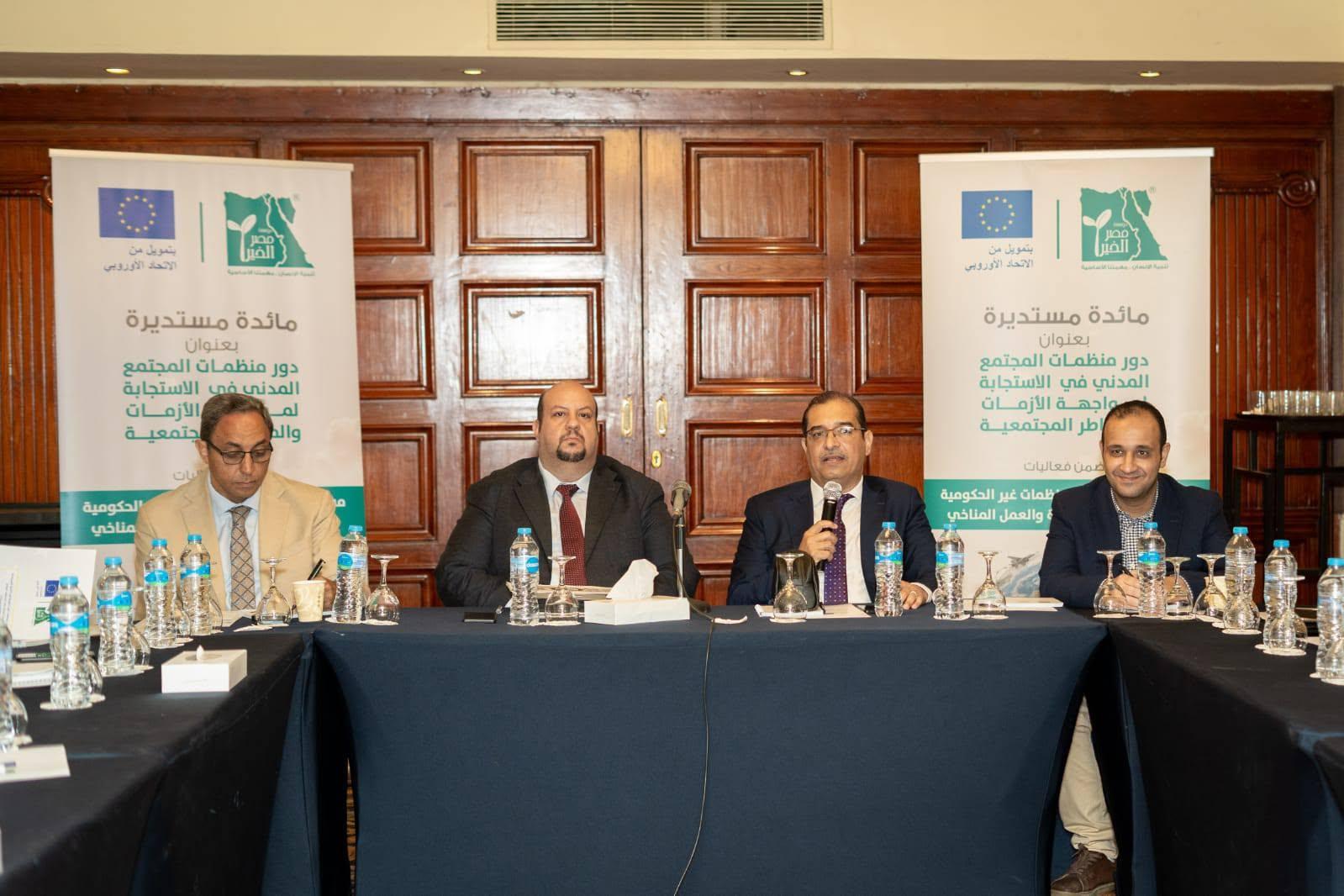
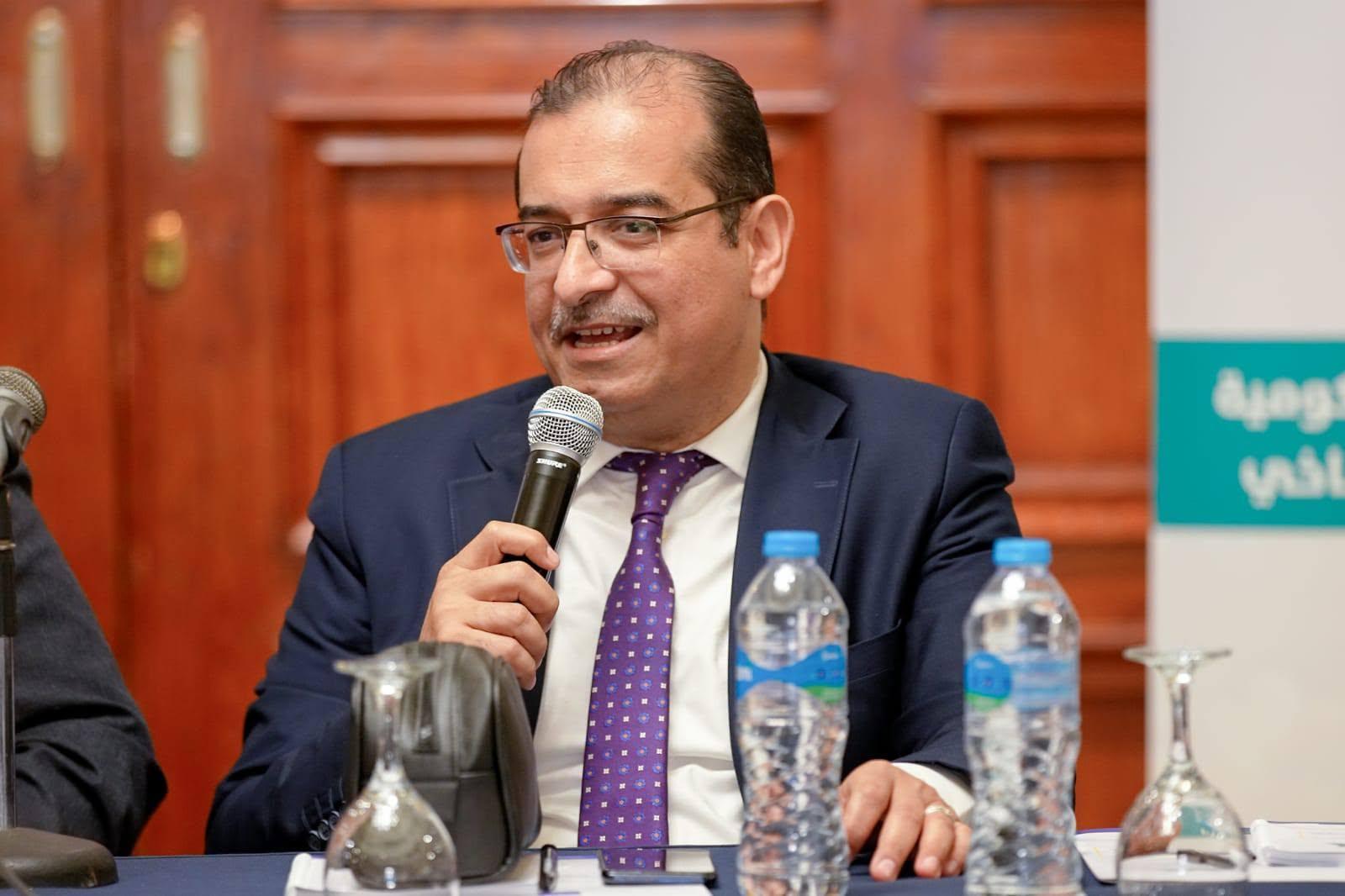
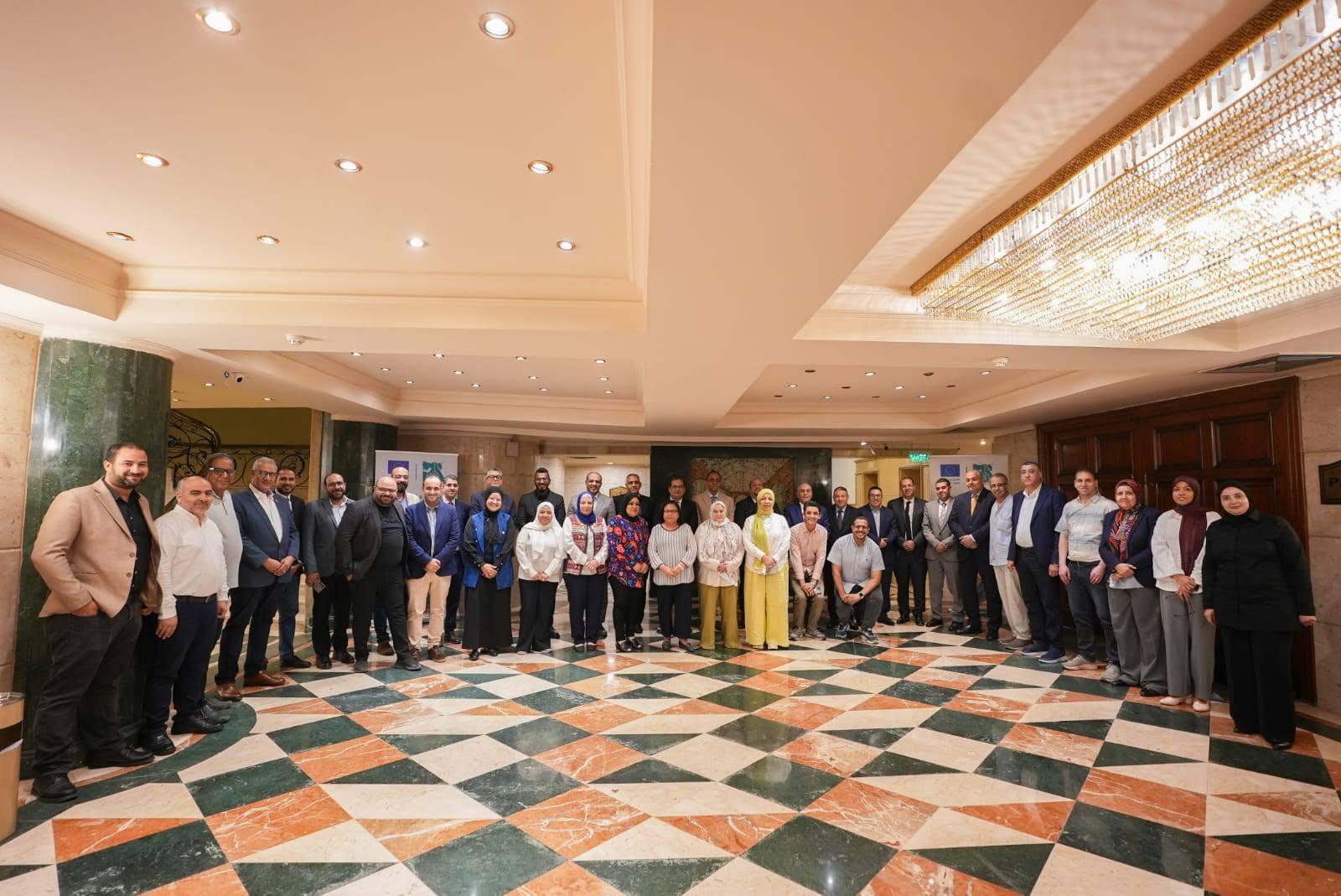
Today the round table was held entitled
"The role of civil society organizations in responding to crises and societal risks"
The table was held in light of the noticeable increase in the frequency of crises and disasters, whether natural, economic or health, and the accelerating challenges they impose on local communities, which requires strengthening the readiness of civil institutions and supporting their ability to respond quickly and effectively, in a way that contributes to protecting the most vulnerable groups and enhancing societal sustainability.
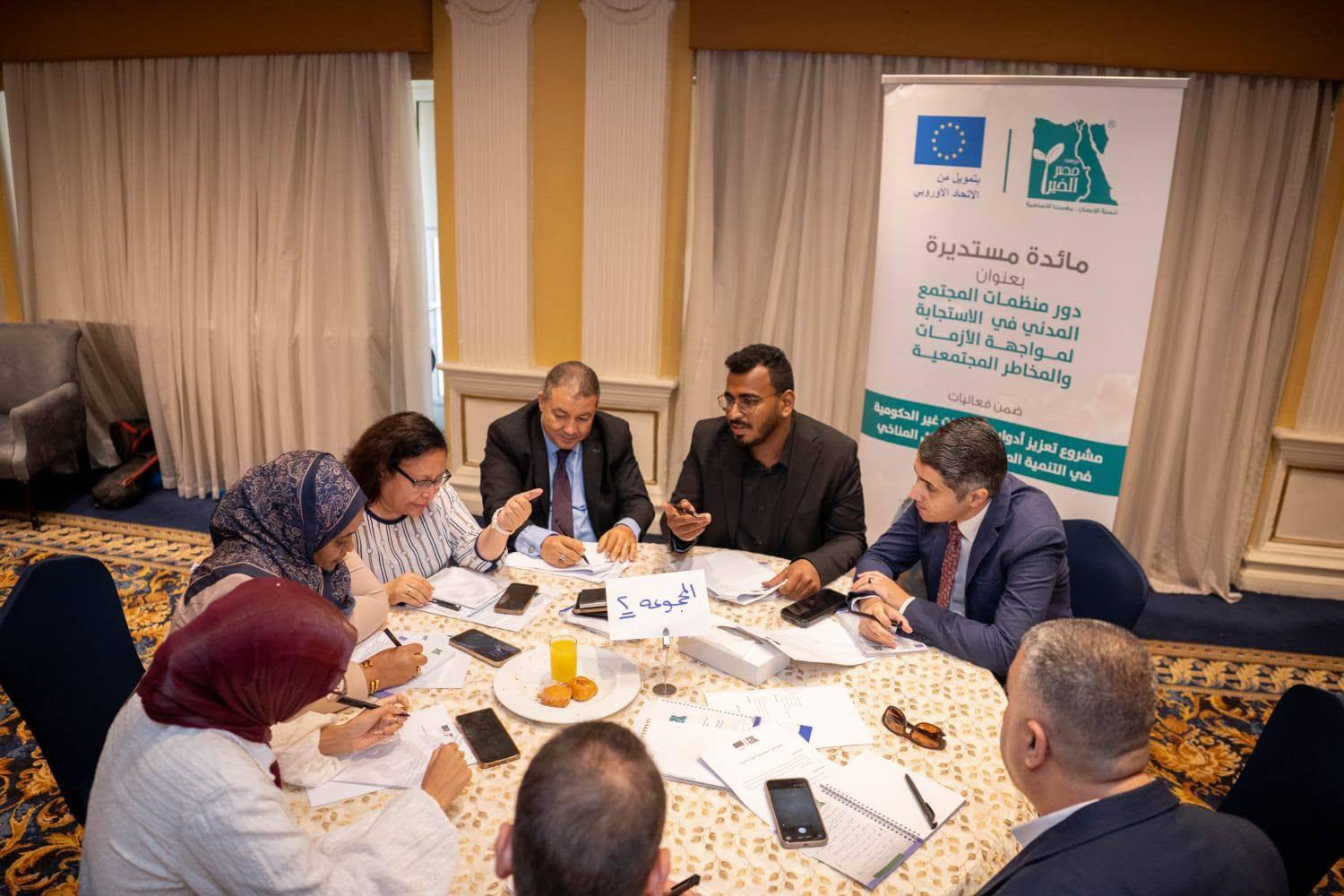
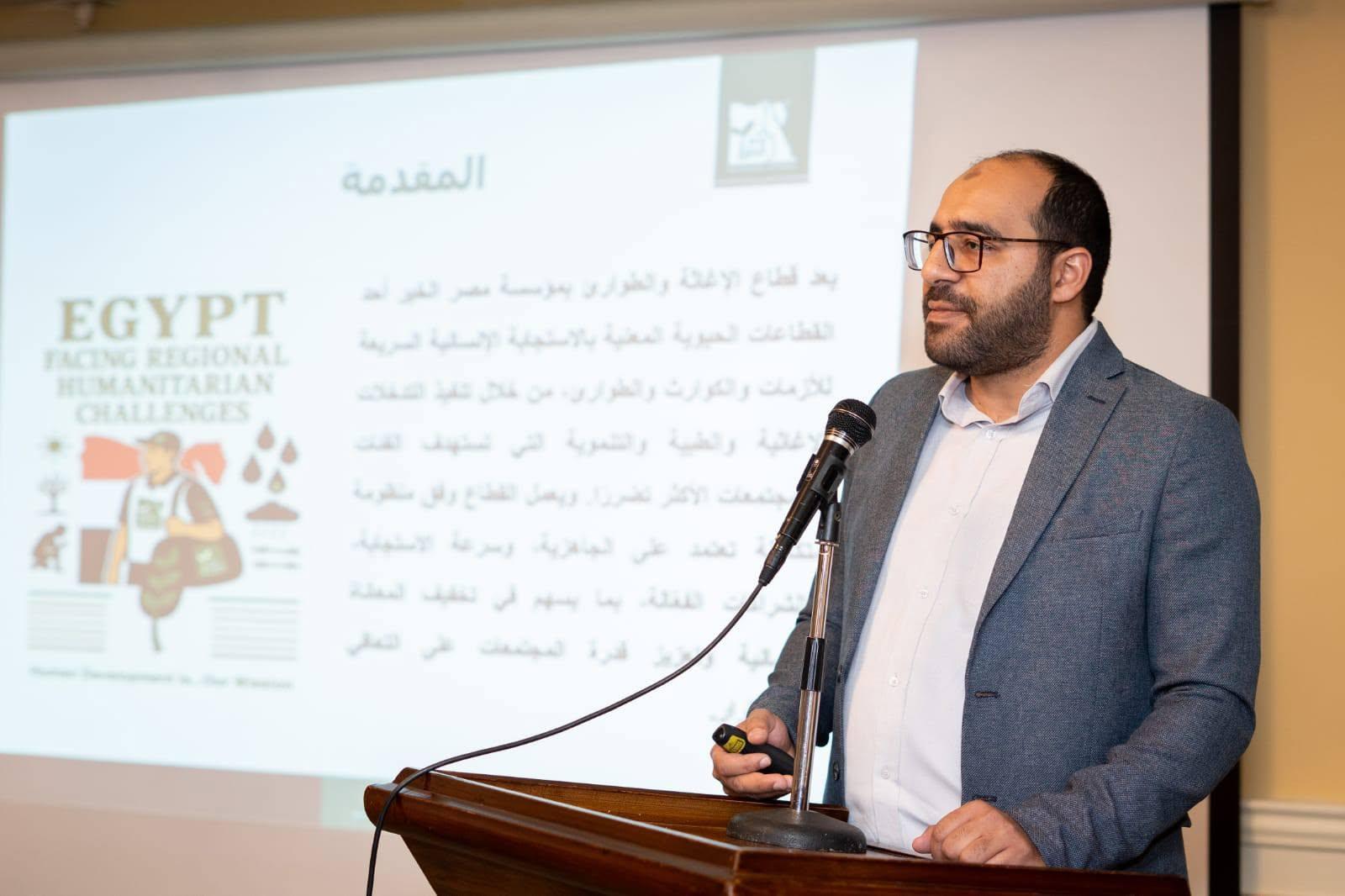
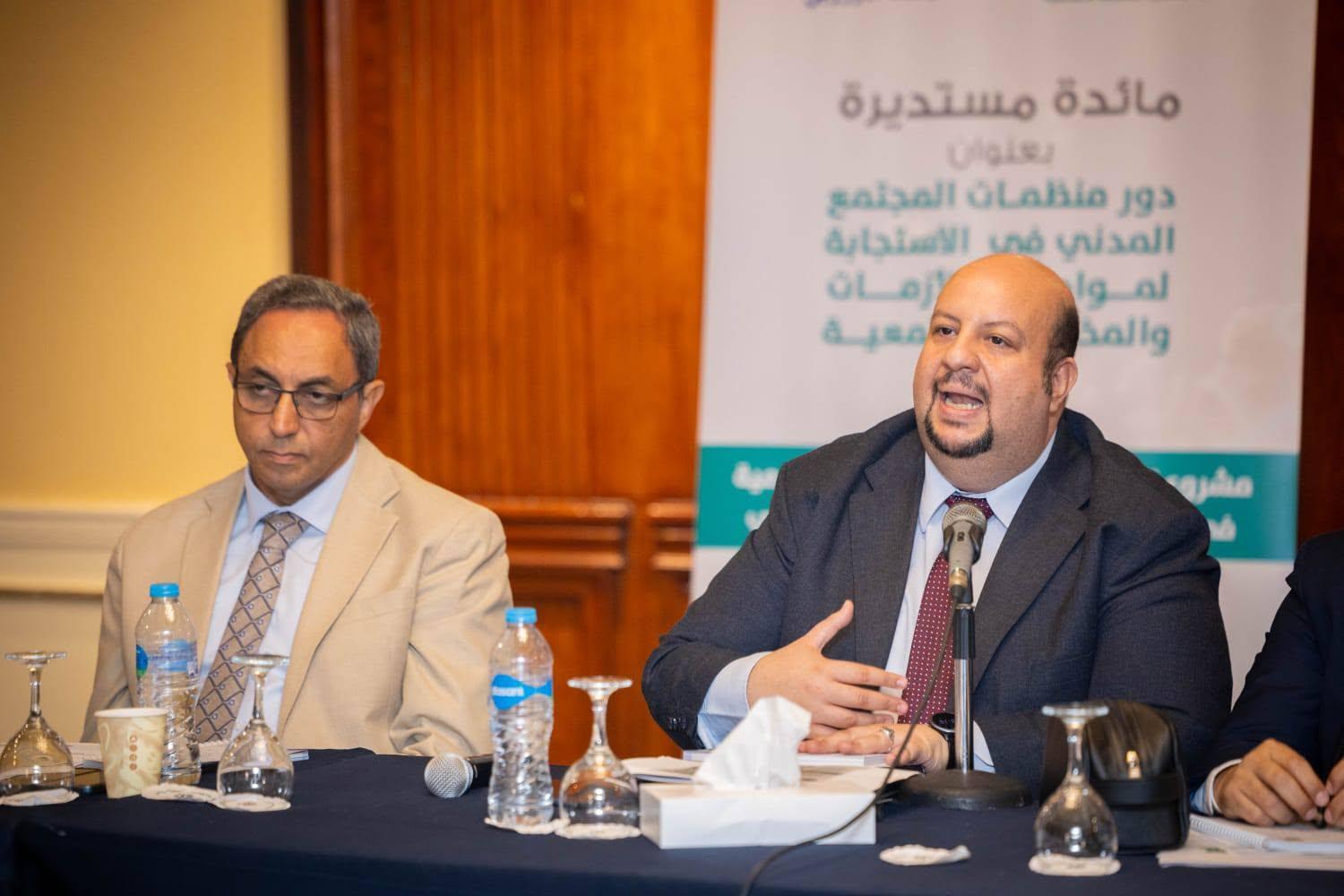
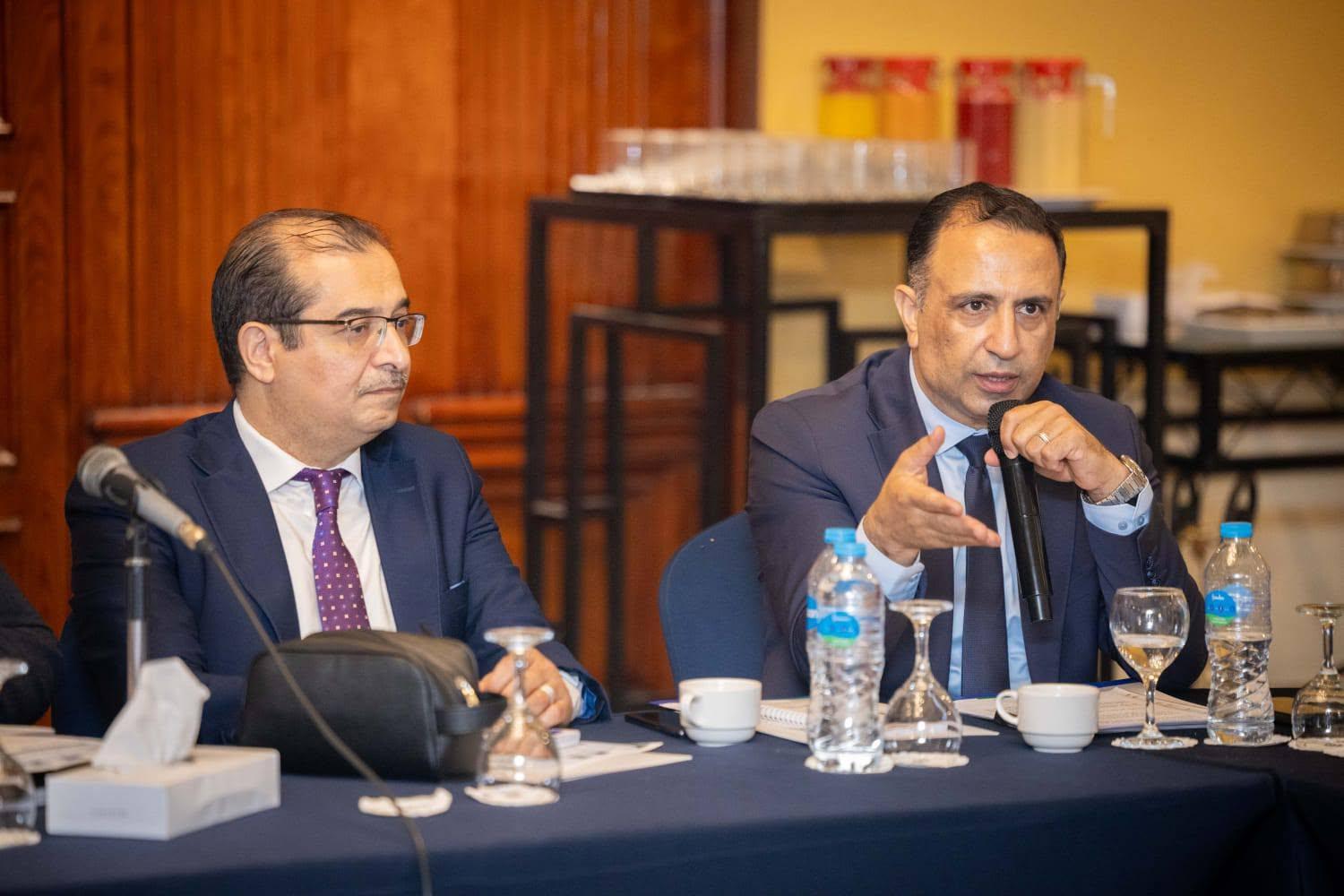
The table witnessed interactive sessions and workshops that addressed the following topics:
Institutional readiness and risk management - governance and decision-making in crises - digital transformation and information management - supporting parties during crises and disasters, coordination mechanisms and sustainability of partnerships.
The working sessions came out with a number of practical recommendations, the most notable of which are:
1) Strengthening institutional readiness:
Prepare updated emergency plans, build risk records, and develop rapid response mechanisms within NGOs.
2) Developing governance and decision management:
Formation of teams and committees to manage crises, delegate powers, and improve the flow of information during emergencies.
3) Supporting digital transformation and data management:
Create central databases, and use digital tools to support decision-making and increase the efficiency of resource management and response.
4) Building the capabilities of human cadres:
Training workers and volunteers on crisis and disaster management, and enhancing response and field coordination skills.
5) Strengthening partnerships and institutional integration:
Expand cooperation between government agencies, civil society, the private sector and donors to ensure a more integrated and sustainable response.
6) Supporting institutional learning and evaluation after crises:
Developing mechanisms for evaluation, extracting lessons learned, and turning them into future policies and development plans.